MLB Betting UK: Markets, Odds and Sabermetrics
 Available in US
Decimal odds, sabermetric edges, UK-licensed sportsbooks.
7 years on the desk Run-line value · Sabermetrics · UK markets

Table of Contents
- MLB Betting Markets in the UK: Current Landscape
- The Five Numbers That Run Every UK MLB Bet
- Is It Legal? UK Rules, Licences and the 2025–2027 Tax Reset
- The Nine MLB Markets a UK Bettor Will Actually Use
- Decimal, Fractional and American Odds Without the Headache
- Sabermetrics for Bettors: FIP, wOBA, BABIP and Barrel Rate
- Weather, Wind and Park Factors: How They Move the Total
- The Starting Pitcher Is the Price: Reading Line Movement
- UK Time Zone, Live Betting and the London Series
- Bankroll, Staking and Edge: A Sustainable UK Approach
- The Pre-Bet Checklist: Eight Questions Before You Stake
- Common Mistakes UK Bettors Make on MLB Markets
- Responsible Gambling and the New UK Safer-Bet Framework
- Frequently Asked Questions
- Final Word: Bet Like a Desk Analyst, Not a Punter
MLB Betting Markets in the UK: Current Landscape
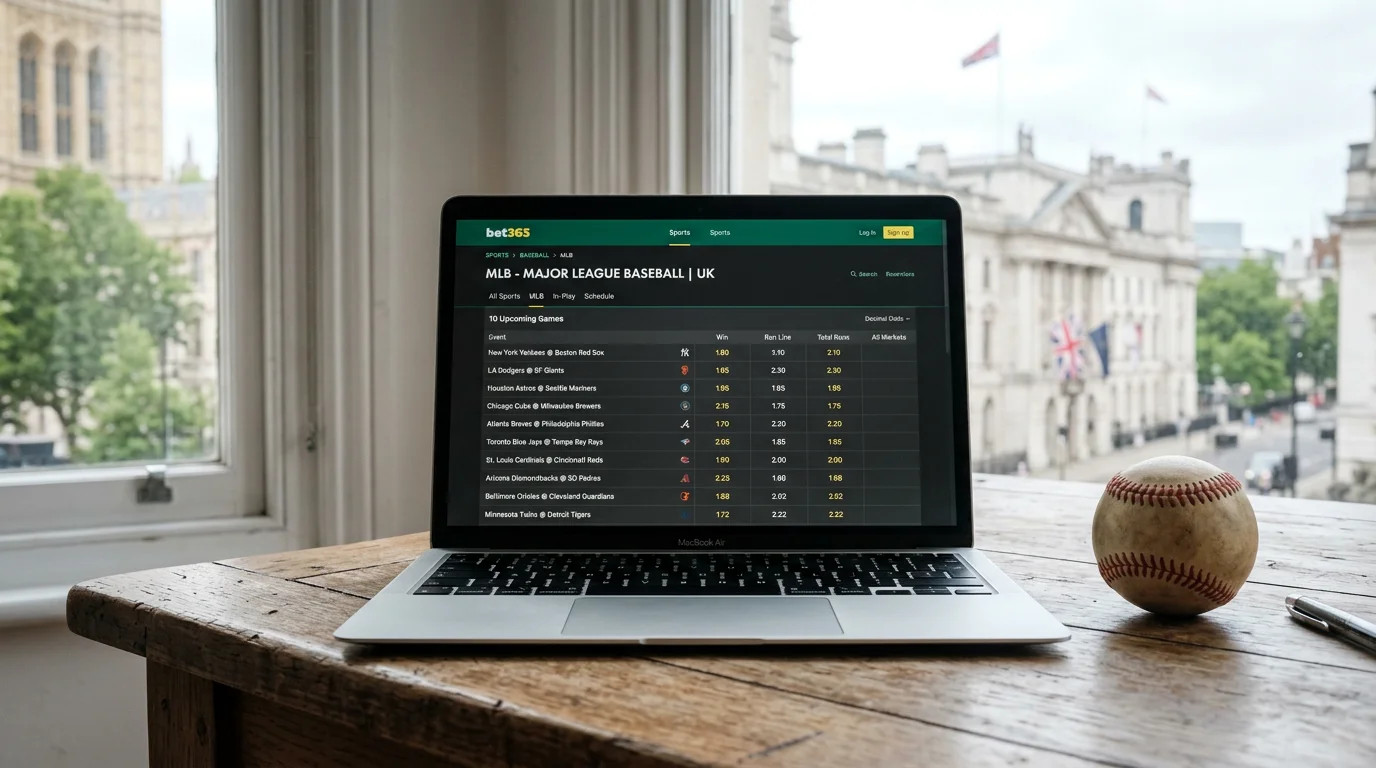
Last August I sat in a Bermondsey flat at half past one in the morning, watching a Dodgers–Padres game on a laptop while a UK book repriced the total three times in two innings. By the bottom of the fifth, my £25 stake on the under had drifted from 1.91 to 2.05, and I’d done nothing except read the wind report off Statcast and trust the maths. That’s the kind of evening that pulls a British punter into MLB and refuses to let go.
Baseball used to be a Sky Sports News curiosity over here, slotted between Premier League fixtures. That’s shifted faster than most people realise. Participation in betting has climbed sharply — in the 2025 GSGB Wave 2 study, the share of British adults who’d placed a bet in the previous four weeks rose to 12 per cent, up three points on the previous wave, with betting now sitting second only to lotteries and scratchcards. The share of British sports fans who follow baseball climbed from 4 per cent in 2019 to 5.9 per cent in the most recent reading, and MLB Europe’s social following tripled past 452,000.
The league has not been shy about why. Chris Marinak, MLB’s chief operations and strategy officer, was direct in a 2024 interview: the United Kingdom is a priority market and a focal point for international growth.
I’ve spent seven years pricing baseball markets for British bettors, and what follows is the framework that moves bankrolls — markets, sabermetrics, weather, pitchers, the legal lay of the land, the new tax reset and the in-play timing that decides whether a UK punter sleeps or stakes.
What this guide covers and what it doesn’t. No operator names, no nightly picks. UK-licensed sportsbooks compete on the same markets, and your own line shopping will outrun any list. The aim is to teach you to read those markets the way a desk analyst does — so when a price moves, you know whether to take it, fade it, or let it go.
The Five Numbers That Run Every UK MLB Bet
- MLB betting is fully legal at any UK Gambling Commission–licensed sportsbook, but the 2026–2027 tax reset compresses odds — RGD rises 21 to 40 per cent in April 2026, RBD 15 to 25 per cent in April 2027.
- The run line sits at 1.5 because roughly 30 per cent of MLB games end by a single run.
- Sabermetric edges live in the gap between FIP and ERA, in BABIP near 0.300, and in Barrel Rate.
- For UK in-play, target the second to fourth innings — 22:30 to 23:30 BST on East Coast nights.
- Stake under 2 per cent of bankroll per bet and line-shop every market.
Is It Legal? UK Rules, Licences and the 2025–2027 Tax Reset
A friend rang me in November asking whether his MLB account would be “frozen by the new tax.” He’d read a tabloid summary of the Autumn Budget and panicked. The short answer was no. Nothing about MLB betting in Britain is illegal — but a great deal about how it’s priced is changing, and 2026 is the year the bill arrives.
The legal floor
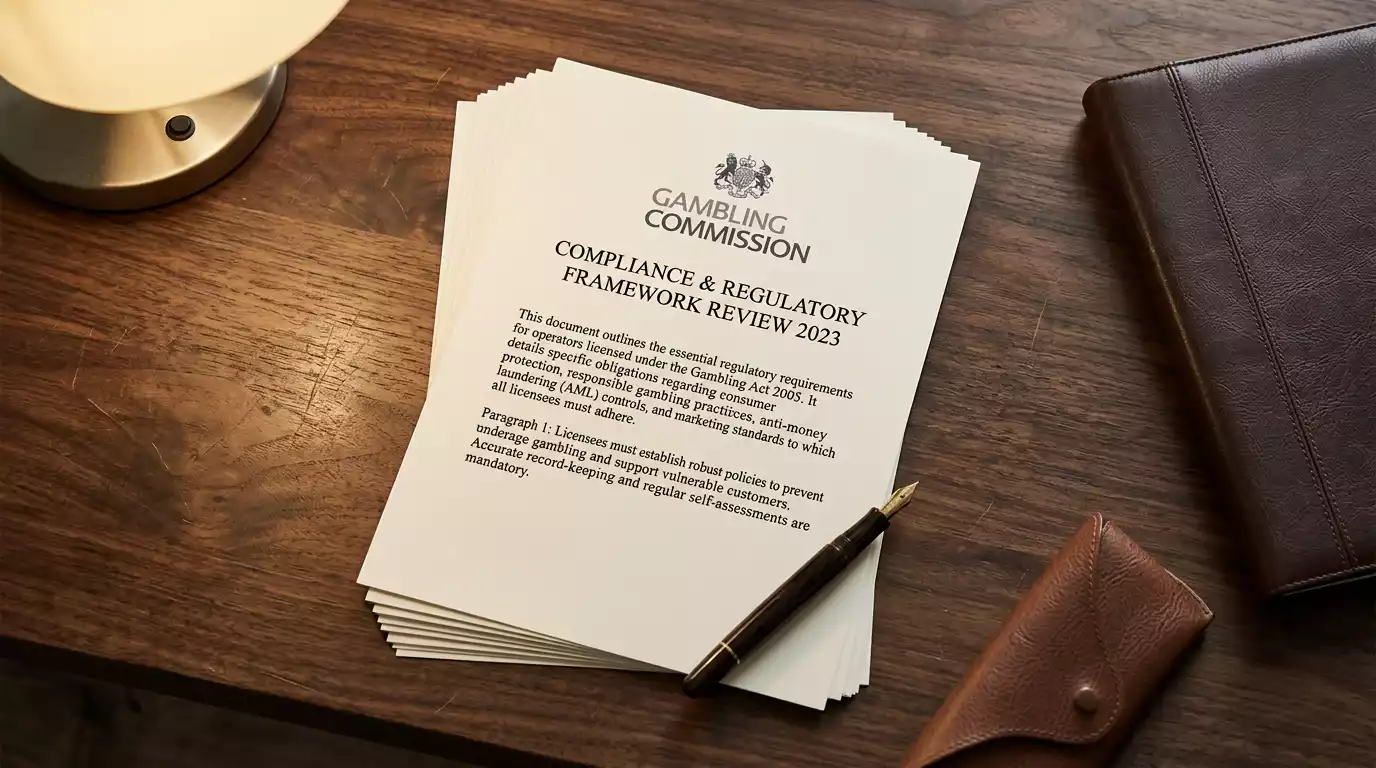
If a sportsbook holds a UK Gambling Commission licence, you can wager on Major League Baseball at it. The 2005 Gambling Act, as amended through 2025, treats MLB the same as any other sports market. From 9 April 2025, online slot stakes are capped at £5 per spin for adults 25 and over, and from 21 May 2025 the cap drops to £2 for the 18-to-24 bracket. That doesn’t govern your MLB stake, but it tells you which way the regulatory wind blows.
The statutory levy
Since 6 April 2025, every licensed gambling operator in Great Britain pays a statutory levy on gross gambling yield, with collection beginning on 1 October 2025. Andrew Rhodes, the Commission’s chief executive, noted in his November 2025 briefing that the past two annual reports show a year-on-year tripling of criminal cases pursued by the Commission, covering betting integrity and unlicensed gambling.
The 2026 and 2027 tax reset
Here’s the part your decimal odds will feel. The Autumn Budget 2025 confirmed that Remote Gaming Duty climbs from 21 to 40 per cent in April 2026, and Remote Betting Duty from 15 to 25 per cent in April 2027. RGD covers casino-style products; RBD covers fixed-odds sports betting — which is what MLB markets are. The OBR flagged a modelled £500 million leak to the unlicensed black market, and £26 million has been allocated to support Commission enforcement. Translation: licensed-book margins compress, and decimal odds on smaller MLB markets may widen a tick or two from late 2027.
If you want the full chronology — what comes into force on which date, and what the consultation outcomes look like for marketing, deposit limits and affordability checks — I’ve laid it out as a 2025–2027 regulation timeline.
“Remote gaming duty” doesn’t mean betting from a remote location. In UK tax law, “remote” is the legal term for any gambling product offered electronically — online, by telephone, or through any other communication technology.
The Commission has also tightened how operators can talk to you. Since 1 May 2025, direct marketing requires granular consent: per product, per channel. That matters because, as a House of Commons debate noted in December 2025, targeted digital marketing means a person experiencing gambling harm is roughly nine times more likely to receive a free-bet offer.
None of that should put you off betting on baseball. It should change where you choose to play. Read the 2025–2027 regulation timeline if you want every milestone; for the rest of this guide, I’ll assume you’re inside that licensed perimeter.
The Nine MLB Markets a UK Bettor Will Actually Use
Open any UK sportsbook in May and you’ll see between thirty and three hundred MLB lines on a given evening. That can paralyse a new bettor. It shouldn’t. Most of the volume — and most of the value — concentrates in nine markets.
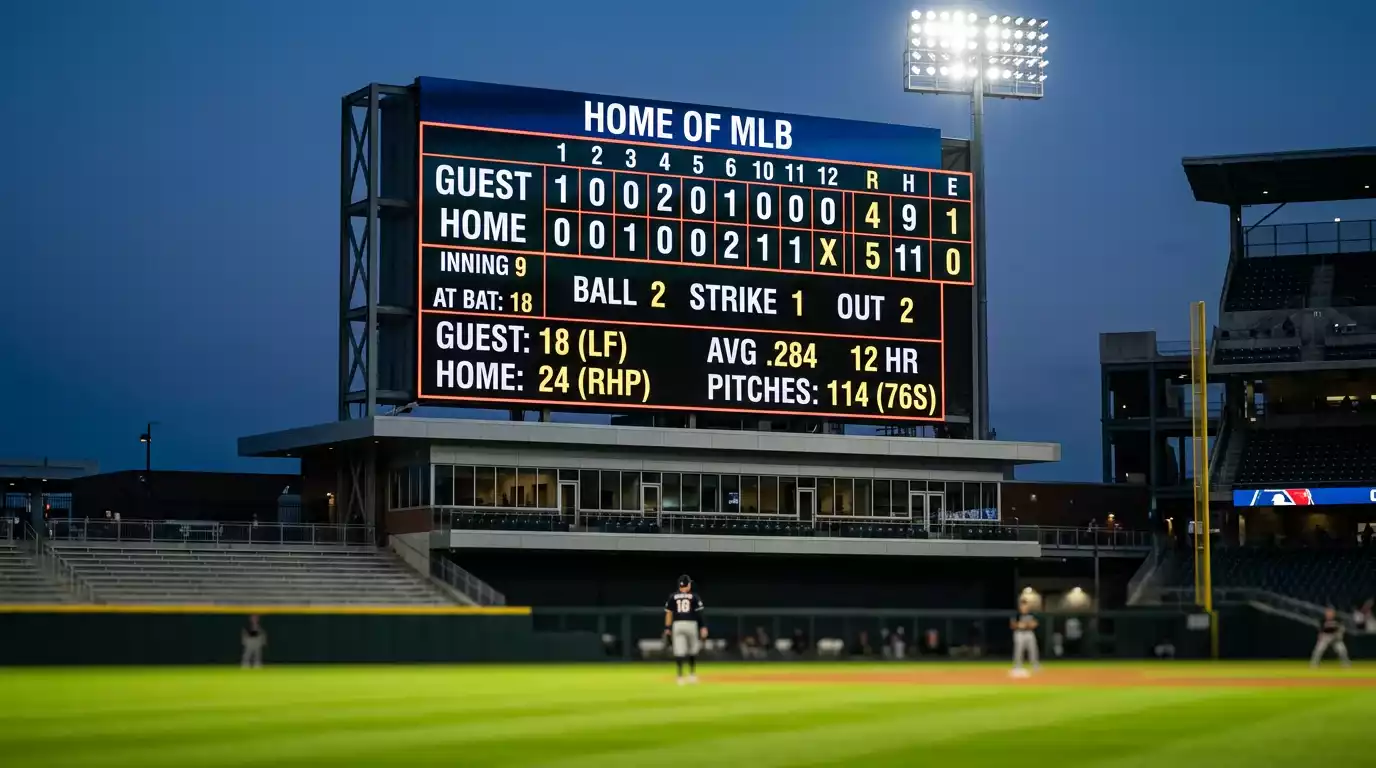
A note on scale before we start. The MLB regular season is 162 games per club and 2,430 across the league — by a distance the largest sample of any major North American competition. That volume makes baseball markets among the most efficient in the world. Your edge has to come from specific reads on specific games, not broad takes on the season.
Moneyline
A straight pick on which team wins. UK books quote it in decimals — a heavy home favourite might sit at 1.45, a road underdog at 2.85. The implied probability rolls off the back of the price; pay-out at 1.45 on a £10 stake returns £14.50 including stake.
Run line
Baseball’s spread, fixed at 1.5. The favourite must win by 2 or more; the underdog can lose by 1 and still settle. About 30 per cent of MLB games end by a single run, which is why the spread sits where it does. Take the favourite at –1.5 only with a tempo or pitching reason — never as a knee-jerk move from a short moneyline.
Totals (over/under)
The combined runs scored. UK books typically post the total at half-runs (8.5, 9.0, 9.5) with juice on each side. The market most affected by weather and ballpark.
Alternate run lines
The spread shifted off 1.5 — usually –2.5 / +2.5 — at correspondingly longer or shorter prices. Useful when a heavy favourite has a starter due seven innings against a depleted bullpen on the other side.
First five innings (F5)
Settles after the top half of the sixth. Eliminates bullpen variance, the noisiest component of an MLB result. Quietly the sharpest sub-market a UK punter can play.
Inning props
NRFI (no run first inning), YRFI (yes run first inning), and team totals for specific innings. A first-inning under against two top-of-rotation arms is a common UK sharp play.
Player props
Hits, total bases, home runs, strikeouts. Strikeout props move with weather and umpire data; HR props move with park factor and the hitter’s Barrel Rate.
Futures
World Series winner, division, MVP, Cy Young. Long-cycle bets that lock up bankroll for months. Implied probabilities at decimal 6.50 on a contender are far less generous than they look.
In-play (live) markets
The bookmaker reprices everything pitch by pitch. For a UK punter watching from midnight onwards, this is where the sleep-versus-stake decision happens.
The run line and total carry the heaviest UK volume; the moneyline is usually where new bettors start. Player props have grown sharply since 2024 — partly because Statcast data is mainstream enough that home-run props get priced like volatility derivatives.
A worked decimal-odds example.
Mets are home favourites. Run line: Mets –1.5 at 2.10. Implied probability: 1 / 2.10 = 47.6 per cent. Stake £10. If Mets win by 2 or more, return is £21.00, profit £11.00. Compare with the moneyline at 1.62: implied 61.7 per cent, return on £10 is £16.20, profit £6.20. The run-line price assumes the Mets win by 2-plus roughly half the time — your job is to decide whether actual probability sits above or below 47.6 per cent given the starter, the wind and the bullpen.
Every example in this guide uses a generic team and a generic price. The bookmakers I assume are UK-licensed; the decimal format is what every UK book displays by default.
Why the Run Line Sits at 1.5 (and When It’s a Trap)
Why 1.5 and not 2 or 0.5? Because the data forces the number. Roughly 30 per cent of MLB regular-season games — across decades, across rule changes, across pitch-clock eras — end by a margin of a single run. That’s the load-bearing fact in the entire favourite-versus-underdog market. Set the spread at 0.5 and you’re effectively offering a moneyline; set it at 2.5 and you’ve reduced the market to a coin flip on whether the favourite scores a third run in garbage time.
The 1.5 spread splits the distribution of margins almost cleanly. Half of all games are decided by 2 or more runs, the other half by a single run or in extras. So the favourite at –1.5 wins roughly 47 to 50 per cent of the time on a long-run average.
Where it becomes a trap is in matchups where the on-paper edge gets crushed by the structure of run scoring. A starter throwing seven innings of two-run ball against a depleted bullpen is a –1.5 candidate; the same starter going four innings before a bullpen day is not. I won’t run the full timing-and-bullpen logic here. For the specific scenarios, decimal-odds calculations and worked examples — backing favourites, taking underdogs at +1.5 as insurance, reading alternate lines — see the full run-line workshop.
The one-sentence rule. If you can’t articulate, before placing a run-line bet, why this matchup will diverge from the league-average one-run-game rate, you’re betting the moneyline with worse maths.
Decimal, Fractional and American Odds Without the Headache
I once watched a regular at a south London bookies stare at –150 on a Yankees moneyline for thirty seconds and say, with complete confidence, “so a hundred-and-fifty quid wins one.” That’s not how American odds work, and the confusion has cost British bettors more value than any other single thing about MLB markets. Decimal is the UK default. American is what you’ll see in US picks columns. Fractional is what older shops still print.
Decimal odds — the UK standard
Decimal odds tell you the total return per unit staked, including the stake itself. A price of 2.00 means a £10 wager returns £20. A price of 1.50 means £10 returns £15. Implied probability is 1 divided by the decimal — so 2.00 is 50 per cent, 1.50 is 66.7 per cent, 3.50 is 28.6 per cent. Every UK-licensed sportsbook uses this format by default, which makes line shopping trivial.
American odds — what you’ll see in US sources
American odds use a plus or minus sign and a three-digit number. A minus tells you how much you must stake to win 100 units; a plus tells you how much you win on a 100-unit stake.
The conversion routine.
For a minus number, divide 100 by the absolute value, then add 1. So –150 becomes 100 / 150 = 0.667, plus 1 = 1.67 in decimal.
For a plus number, divide the number by 100, then add 1. So +130 becomes 130 / 100 = 1.30, plus 1 = 2.30 in decimal.
Sanity check: any American minus always converts to decimal under 2.00 (a favourite). Any American plus always converts to decimal over 2.00 (an underdog).
Fractional odds — the legacy format
Fractional odds — 5/2, 6/4, 11/10 — survive in older British books but appear on MLB markets less often. The conversion is mechanical: divide the fraction, add 1. So 5/2 becomes 3.50 decimal; 11/10 becomes 2.10.
Three formats, one price.
A starter is 1.83 to record over 5.5 strikeouts. American: –120. Fractional: 5/6 (0.833 + 1 = 1.83). All three are the same wager. A £10 stake returns £18.30 if the starter delivers six or more punch-outs.
Burn this into memory. Decimal odds are not the bookmaker’s true estimate of probability; they’re the price after the book builds in its margin. If you see decimal 1.91 on both sides of a 50-50 market, the implied probabilities sum to roughly 104.7 per cent — that 4.7 per cent is the overround. Sharp UK books on MLB sit around 102 to 104 per cent. American sources call it “vig.” Same number, different language.
Sabermetrics for Bettors: FIP, wOBA, BABIP and Barrel Rate
A regular asks me, every March without fail, why I bother with FIP and wOBA when ERA and batting average have been on the back of cigarette cards for a century. The answer: traditional baseball stats are already priced into the line. By the time the number hits your screen, the edge they describe has been arbitraged away. Sabermetrics — defence-independent pitching, expected outcomes, contact quality — is where the residual edge lives.
Benchmarks matter because without them you can’t tell what’s high and what’s low. League average K rate in 2024 was 22.2 per cent, walk rate 8.4 per cent, left-on-base 72.3. Anything materially above or below those baselines is the bookmaker’s signal — and yours.
FIP and xFIP — pitching without the defence noise
Fielding Independent Pitching strips out everything a pitcher can’t directly control and reduces him to three outcomes: strikeouts, walks and home runs allowed. The scale is calibrated to ERA, so a FIP of 3.50 reads like an ERA of 3.50.
The market value comes from the gap. A starter with an ERA of 2.80 but a FIP of 4.10 is being flattered by his defence and sequencing luck. He’ll regress. Bookmakers update slowly on this; sharp punters update faster. xFIP goes a step further, replacing actual home runs allowed with a league-average HR-per-fly-ball rate.
wOBA — one number, five replaced
Weighted on-base average is what batting average should have been. Instead of treating a single, double and home run as equal hits, wOBA assigns each outcome the run value it produces. The 2025 weights: a single 0.882 runs, a double 1.252, a home run 2.037, a walk 0.691. The output looks like an on-base percentage — 0.350 solid, 0.380 excellent, 0.400 elite — but the maths underneath are descriptive of run production.
| Metric | What it captures | Where it falls short |
|---|---|---|
| ERA | Runs allowed per nine innings | Distorted by defence, sequencing, luck |
| FIP | Strikeouts, walks, home runs only | Penalises pitchers in HR-heavy parks |
| xFIP | FIP with league-average HR/FB rate | Smooths legitimate HR-suppression skill |
| xERA | Statcast quality-of-contact based | Lags first month of season |
| SIERA | Skill-based, includes batted-ball type | Less intuitive scale |
BABIP and the regression signal
Batting Average on Balls in Play is the rate at which non-home-run batted balls become hits. The league average sits stubbornly around 0.300. When a hitter posts 0.380 over forty plate appearances, it’s almost always sequencing luck. For pitchers, the read inverts. Spot a starter with strong K and BB rates but a bloated BABIP-against, and the market over-reaction is your edge.
BABIP — Batting Average on Balls in Play. The rate at which fair, in-play balls become hits.
Barrel Rate and Hard-Hit per cent
Statcast produces two metrics that have quietly become essential for prop betting. A “barrel” is a batted ball whose exit velocity and launch angle combination historically produces a batting average around 0.500 and slugging around 1.500. A “hard-hit” ball is anything off the bat at 95 mph or more. For HR props, Barrel Rate is the leading indicator. The market lags it by about a week — long enough for a sharp reader to find value before the price catches up.
Barrel — A batted ball whose exit velocity and launch angle combination produces, on average, a batting average around 0.500 and a slugging percentage around 1.500.
None of this requires a subscription. The raw numbers are public and free. For the full applied workflow — sequencing FIP and wOBA reads in fifteen pre-match minutes and translating metric gaps into decimal-odds value — there’s an advanced metrics workshop waiting for you.
Weather, Wind and Park Factors: How They Move the Total
Two starters with identical FIP, identical lineups, identical rest. One pitches at Dodger Stadium, the other at Oracle Park. The total on the first opens at 9.5; the second at 7.5. That’s a two-run gap on stadium geography alone — the largest external factor moving MLB totals.
Park factors quantify the run-scoring environment of every venue, normalised so 100 is the league baseline. In the 2024 to 2026 reading, Dodger Stadium leads at 129. Great American Ball Park follows at 122. On the other end, Oracle sits at 77, PNC at 78, Busch at 81 — three of the most pitcher-friendly venues in baseball.
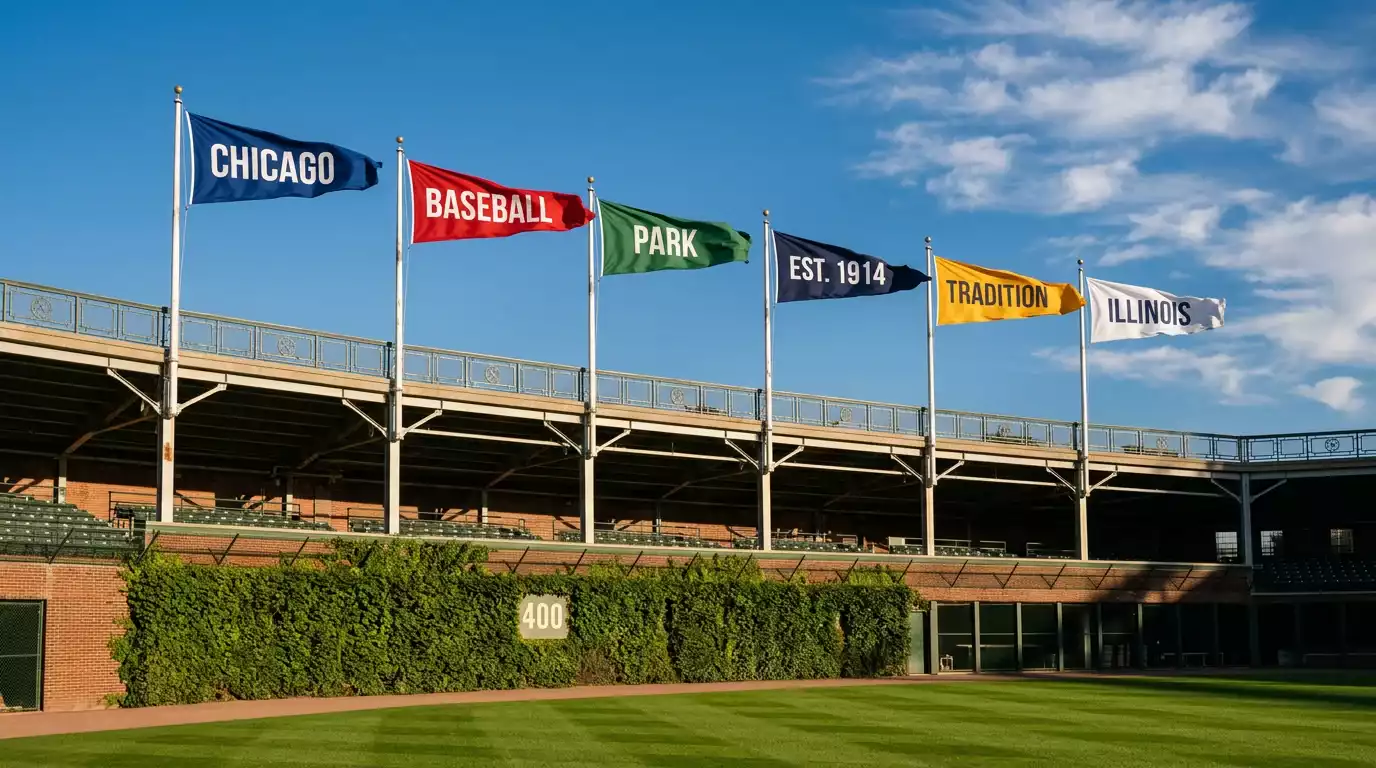
What a park factor really tells you
Park factor is a composite of altitude, fence distances, foul-territory size, batter’s-eye visibility, prevailing wind direction and humidity. Oracle Park is pitcher-friendly because the marine layer suppresses ball flight and right-field foul territory is enormous. Dodger Stadium plays as a HR park because of altitude, fence geometry and a prevailing dry warm wind.
Wind — the variable inside the variable
Park factor assumes average weather. Wind doesn’t co-operate. The most-cited example is Wrigley Field: wind blowing out at 10 mph or more increases home runs by approximately 50 per cent compared to a still day, while wind blowing in at under 10 mph cuts them by about 33 per cent. Across the league, when wind blows toward left field, team runs go up by 5.8 per cent and home runs by 7.6 per cent against the seasonal average. For gusts of 16 mph or more in that direction, the HR boost rises to 10.7 per cent. Bookmakers reprice slowly when forecasts shift in the four hours before first pitch.
Wind reading routine. Two hours before first pitch, pull up the venue’s local airport METAR. Note wind direction relative to the stadium’s compass orientation, plus speed and gusts. Out at 10 mph or more, lean over. Blowing in, lean under. Domes and closed roofs nullify it.
Temperature, humidity and the pitch-clock context
Hot air is less dense than cold air, and ball flight is sensitive to density. A 75°F summer evening produces roughly 10 to 15 feet more carry than a 55°F April game. Closed-roof games strip away wind variance, but they don’t strip away the run-scoring trend the pitch clock unleashed. Since 2023, average runs per game have risen from 8.6 to 9.2, and stolen-base attempts from 1.4 to 1.8. So a domed-park total of 9.0 in 2026 might have anchored an 8.5 line in 2022.
The Wrigley wind-out effect is so pronounced that Chicago commodity traders have, half-jokingly, tracked the stadium flag as a soft indicator for grain-price exposure on hot summer afternoons.
The full applied framework — which parks to target on which weather days, how to combine altitude, geometry and wind into a totals-edge score — sits in a deeper park-factor and weather playbook. The headline rule: never bet a total without checking park factor and wind direction, in that order.
Start from a neutral run expectation (what these starters and lineups produce at an average park in average weather), then let conditions move it. Stadium geography is the biggest external lever — Dodger Stadium (park factor 129) and Oracle Park (77) can differ by two-plus runs before a pitch is thrown. Wind blowing out at 10 mph+ lifts the over; blowing in favours the under; a closed roof cancels wind. Warm, thin air adds carry. Never bet a total without checking park factor and wind, in that order. Informational only.
Traditional stats (ERA, batting average) are already in the price — the residual edge lives in the sabermetric layer. wOBA weights each outcome by the runs it creates (a home run is worth far more than a single); 0.320 is roughly average, 0.350 solid, 0.400 elite. The FIP-minus-ERA gap is a regression flag: when ERA sits well above FIP the pitcher is being punished by defence and luck and should improve; when ERA sits well below FIP he’s being flattered and will regress. Bookmakers update on this slowly. Informational only.
The Starting Pitcher Is the Price: Reading Line Movement
If you read MLB lines for a year and learn nothing else, learn this: the starting pitcher is the price. A line opens, drifts, snaps tight or collapses entirely on news about who’s throwing the first pitch. Lineups, weather, even park — secondary inputs.
A starter throws roughly 90 to 105 pitches across five to seven innings — between 55 and 75 per cent of a team’s defensive work. He governs strikeout volume, walk volume, the base-runners the bullpen inherits, and the contact quality the defence handles. When a starter is officially confirmed, the moneyline can move 8 to 12 cents in either direction within minutes.

Listed pitcher versus action
Every UK-licensed sportsbook asks (sometimes implicitly) whether you’re betting on the listed starting pitchers or on the match itself regardless of who throws. If you select listed pitcher and the announced starter scratches, your bet voids. The default at most UK books is listed pitcher, and that’s usually the right call.
How a line moves on starter news
Mornings UK time, with no confirmed starter, the bookmaker sets a “no listed” price wider than usual — say 1.85 / 1.95 on a moneyline that would normally pinch to 1.78 / 2.05 once arms are confirmed.
The pitch clock has changed the underlying picture. An empirical analysis out of Clemson University found that, after the clock came in, home runs allowed per starter per season fell by about four, walks by about eleven, and hit-by-pitch and elbow-injury rates didn’t shift in any statistically meaningful way. David Langton’s 2025 analysis was unambiguous on the direction: pitching statistics held steady or improved, while batting numbers generally suffered. For totals bettors, that’s a structural under-bias on starter-driven matches.
Morgan Sword, MLB’s executive vice-president of baseball operations, told reporters the league had talked extensively to minor-league players and coaches in the run-up to the rule change. The expectation was that forcing a quicker pace would harm arms; the data, including injury data, didn’t show it. A quality starter under the clock is a steadier prediction now than at any point in the last decade.
The single most expensive mistake on MLB markets is betting before the starting pitchers are confirmed. The bookmaker’s pre-confirmation price embeds uncertainty as a margin in their favour. Wait. The market sharpens within an hour of confirmation.
Reading the starter’s profile
Once a starter is confirmed, the question becomes which of his attributes are mispriced tonight. K rate against a high-K opponent raises the over on totals; a high BB rate against a patient opponent raises the alternate-line value. Recent BABIP-against says whether the surface ERA is signal or noise. The starter is also the price of the run line: a favourite at –1.5 with their ace going seven innings is credible; the same favourite with a fifth starter going four-and-a-third is the moneyline in a flattering jersey.
UK Time Zone, Live Betting and the London Series
The hardest part of betting MLB from Britain isn’t the maths. It’s the clock. East Coast first pitches land between midnight and 12:30 BST. West Coast games kick at 3:00 in the morning. By the time a Padres–Giants match enters extra innings, you’ve either accepted you’re not sleeping or gone to bed and missed the live market entirely.

East Coast first pitch
Roughly 00:00 to 00:30 BST. Most of the league plays at this window.
Central Time first pitch
Roughly 01:00 to 01:30 BST. Cubs, Cardinals, Brewers, Twins, Royals, Astros sit here.
West Coast first pitch
03:00 to 03:30 BST. Late even by night-owl standards.
Average game length
Roughly 2:36 to 2:40 since the pitch clock landed. An East Coast game starting at midnight typically wraps before 3:00 BST.
Sharpest in-play window
The second to fourth innings of an East Coast match — 22:30 to 23:30 BST. Bullpens still benched, starters’ fatigue readable, stream latency at its smallest.
The London Series — and the gap in 2026
For one weekend a year, MLB plays in London Stadium and the time-zone problem inverts. The 2024 series between the Mets and the Phillies pulled 108,956 spectators across two days, with a direct economic effect of £56.5 million on the capital and another £9 million flowing to the rest of the country. Sadiq Khan framed it as confirmation that London is the sporting capital of the world. That cadence broke for 2026: the scheduled Yankees–Blue Jays series was cancelled because of a fixture clash with West Ham’s Premier League calendar at London Stadium. The series is expected to return in 2027.
Watching legally in the UK
In 2025, MLB struck a deal that splits live UK rights between BBC Sport and TNT Sports — both legitimate platforms, both widely available without geo-trickery. TNT Sports remains the UK partner in 2026 with the BBC carrying selected fixtures. MLB.TV, the league’s own streaming product, is also UK-available and is the only way to watch every match.
Latency and the live-market trap
Whatever stream you’re watching is delayed — usually 15 to 60 seconds — behind the actual game. The bookmaker’s live market is fed from the official MLB data feed, which has a tighter lag. When you see a fly ball off the bat on screen, the bookmaker has already moved the price. The fix is to bet on conditions, not real-time outcomes. If you’re taking an over, take it before a probable-walk situation, not after a single. Live betting that wins is anticipatory, not reactive.
For the full timing matrix — when each book offers the best in-play depth, how to sequence first-five-innings versus full-game wagers across BST and GMT — see the UK in-play timing guide.
Bankroll, Staking and Edge: A Sustainable UK Approach
I’ve watched too many bright punters with sound MLB reads blow themselves up over a bad weekend because they staked double on the Sunday to “get back to even.” That’s not bankroll management; that’s tilt. The maths of MLB betting are unforgiving in one direction — when you go bust, you stay bust — but they’re forgiving in another: a steady-staking discipline over a 162-game season produces more compounded value than any single hot streak.
The percentage rule
Stake a fixed percentage of your bankroll per bet. For most UK punters working a four- to five-figure roll, that percentage should sit between 1 and 2 per cent. So a £1,000 bankroll means £10 to £20 per wager. The percentage is the discipline; the absolute number flexes with your roll. Why 1 to 2 per cent rather than 5 or 10? Because MLB win rates for sharp bettors typically sit between 53 and 56 per cent at break-even prices, and at that hit rate a 5 per cent stake exposes you to unacceptable drawdowns.
Edge and edge-aware staking
If you can articulate, before placing a bet, why your decimal-odds estimate diverges from the bookmaker’s number, you have an edge. The Kelly Criterion formalises this: stake size should be proportional to your edge divided by the odds-minus-one. Most professionals use a fractional Kelly — a quarter or a half of the full formula — to absorb the model error inherent in any subjective probability estimate.
Before you stake — the bankroll layer.
- Total bankroll defined and isolated from rent, bills, household budget
- Per-bet percentage chosen and written down, not eyeballed
- Daily loss limit set — usually three to four losing wagers in a session
- Deposit limits set on every UK book account, not just the main one
- One spreadsheet or app tracking every wager, regardless of outcome
Do
- Stake the same percentage on every bet within a session
- Track every wager with the date, market, decimal odds, stake and outcome
- Review the log weekly and monthly — not after every wager
- Withdraw winnings on a schedule, not a whim
Don’t
- Chase a losing session by raising your stake mid-evening
- Treat free-bet offers as found money — they’re a marketing cost, not a windfall
- Place wagers without an articulable edge
- Bet money you’d otherwise spend on rent, bills or groceries
One last rule, the one most punters get wrong. The size of your bankroll should bear no relationship to your monthly income. It should be money set aside, isolated, and treated as fully expendable. If losing it would change how you eat or sleep, halve it.
The Pre-Bet Checklist: Eight Questions Before You Stake
I keep a small printed checklist taped to the side of my monitor. Eight questions long. Until I can answer all eight in twenty seconds, I don’t place a wager. The checklist sounds rigid until you realise that nearly every losing month I’ve had since 2019 traces back to skipping at least one of these questions.
The eight pre-bet questions.
- Are both starting pitchers confirmed? If not, walk away.
- What’s the park factor? If the venue’s HR factor is above 110 or below 90, the total and any HR prop are heavily condition-driven.
- What’s the wind direction and speed? Outdoor parks only. Out at 10 mph or more biases the over; in biases the under.
- What does the FIP-versus-ERA gap on each starter say? A starter with FIP 3.40 and ERA 4.80 is being treated as worse than he is. Edge.
- What’s the recent BABIP for hitter-prop or pitcher-prop targets? Anything more than 0.030 above or below 0.300 is a regression candidate.
- What’s the implied probability of my bet? 1 divided by the decimal odds. If your subjective estimate is within 2 percentage points, walk away.
- What’s the bullpen state? If the favourite’s bullpen has thrown 9-plus innings in the previous two days, the run line at –1.5 is dangerous.
- What does the percentage stake feel like? If your usual 1.5 per cent feels uncomfortable, you’re not as confident as you think.
The point isn’t that the eight are a magic formula. It’s that they force a pause. The single biggest behavioural leak among UK punters on MLB markets is volume — taking too many bets, with insufficient pre-game work. The checklist is the cure.
I keep a “ninth” question that I ask only on big stakes — anything above 2.5 per cent of bankroll. Would I take this bet at half the stake if my edge feels real? If yes, take it at half. If no, I don’t have an edge — I have a feeling. The ninth has saved me more money than the other eight combined.
Common Mistakes UK Bettors Make on MLB Markets
I judge a punter’s experience by which mistakes they’re still making. New bettors make the loud, expensive ones — staking 10 per cent of their roll on a parlay, betting before the starters are confirmed. Experienced bettors graduate to quieter errors: misreading run-line value, ignoring bullpen rest, treating tiny samples as if they meant something. This section is for the second category.
Treating the run line as a magnification of the moneyline
The single most common MLB-specific error. A punter sees a heavy moneyline favourite at 1.50, finds the price unsatisfying, and reflexively shifts to the run line at –1.5 to get 2.00. The maths only works if the favourite wins by 2-plus runs roughly half the time. They don’t, because around 30 per cent of all MLB games end by a single run regardless of which side is favoured. The run line is a tempo bet, not a magnifier.
Ignoring bullpen rest after wins
A team with a strong record over the previous five games has often used its bullpen heavily to get there. The market sometimes prices the recent winning trend without discounting the bullpen depletion. By the sixth inning of the next match, the bridge to the closer is two relievers thinner than usual. Always check the previous two days’ bullpen workload before backing a heavy favourite.
Mistaking sample size for signal
A hitter with a 0.420 batting average over twelve plate appearances tells you almost nothing. The BABIP near 0.300 baseline reasserts itself within thirty plate appearances and within forty innings. Don’t pay a premium for a hot streak; bet the regression toward it.
Demographic context
Sports betting participation in the UK skews male: 15 per cent of men placed a sports bet in the first quarter of 2025, against 4 per cent of women. The cure is to be the rare punter who treats every wager as a discrete decision, not as part of an emotional flow.
Do
- Wait for confirmed starters before locking in moneyline or run-line wagers
- Pull the wind report two hours before first pitch on outdoor games
- Treat any sample under thirty plate appearances or forty innings as too noisy
- Walk away when your edge is under 2 percentage points
Don’t
- Use the run line to “boost” a short moneyline favourite
- Back a winning team’s run line without checking bullpen workload
- Build a parlay longer than three legs
- Bet against a starter purely because their last outing was poor
Responsible Gambling and the New UK Safer-Bet Framework
I’ve never written a guide without this section, and the reason is simple: every analytical edge in this article is worthless if the bankroll behind it is borrowed, panicked or chasing. The 2025 to 2027 UK reform package is the most significant rewrite of safer-gambling rules since the original 2005 Act.
What the rules now require
Online slot stakes are capped at £5 per spin for adults aged 25 and over, and at £2 for the 18-to-24 bracket. The cap doesn’t touch your sports wagers directly, but it signals the regulator’s intent — gambling is being treated as a public-health concern. Affordability checks at certain deposit thresholds are now mandatory at every UK-licensed operator. Self-exclusion via GamStop covers all UK-licensed sites in a single registration.
The marketing-consent reform is, in my view, the most useful change for individual bettors. Since 1 May 2025, operators can only direct-market with granular, per-product, per-channel consent. Targeted digital marketing means a person already showing signs of gambling harm is roughly nine times more likely to receive a free-bet offer than someone without that profile.
What you should require of yourself
Stake a percentage of your bankroll, not a fixed amount. Set a daily session limit. Keep a log of every wager — date, market, decimal odds, stake, outcome. The log isn’t accountancy; it’s the early warning system for behavioural drift. The clearest indicator of trouble isn’t a losing streak — those happen. The clearest indicator is the urge to stake outside your usual percentage in either direction.
If MLB betting stops being entertainment and starts being something else, stop. GamStop is a free, legally-mandated self-exclusion service covering every UK-licensed operator. Setting an exclusion period is a single online form. The rebound after a clean break is faster than most people expect.
Frequently Asked Questions
Seven questions I field most often from British punters in their first MLB season.
Is baseball betting legal in the UK in 2026?
Yes. Any sportsbook holding a UK Gambling Commission licence may offer MLB markets to British residents aged 18 or over. The 2025 to 2027 tax reset — RGD rising from 21 to 40 per cent in April 2026, RBD from 15 to 25 per cent in April 2027 — affects how operators price their books, not the legality of the wager.
What is the run line in MLB betting and when should I take it?
The run line is baseball’s spread, set almost universally at 1.5 runs. The favourite must win by 2 or more to settle a –1.5 wager; the underdog can lose by 1 and still settle a +1.5. Take –1.5 only when tempo or pitching gives you a structural reason. Roughly 30 per cent of MLB games end by a single run, which is why the line sits at 1.5.
How do I convert American baseball odds (–150 / +130) to UK decimal odds?
For an American minus number, divide 100 by the absolute value and add 1: –150 becomes 1.67. For a plus number, divide by 100 and add 1: +130 becomes 2.30. A favourite always converts to decimal under 2.00; an underdog always converts to decimal over 2.00.
Which MLB markets are available at UK-licensed bookmakers?
The full nine: moneyline, run line, totals, alternate run lines, first five innings, inning props (NRFI, YRFI, team totals), player props, futures and in-play. Run line, totals and moneyline carry the heaviest UK volume; player props have grown sharply since 2024 as Statcast data has gone mainstream.
How does the starting pitcher affect MLB betting odds?
More than any other factor. The starter accounts for 55 to 75 per cent of a team’s defensive innings, and the moneyline can move 8 to 12 cents within minutes of confirmation. Always wait for both starters to be confirmed, and use the listed-pitcher option rather than action — your bet voids if the announced starter scratches.
When can UK bettors comfortably bet on MLB without losing a night’s sleep?
The pre-game window before East Coast first pitches at midnight BST is the sweet spot. For in-play, the second to fourth innings of an East Coast match — 22:30 to 23:30 BST — is sharpest. The pitch clock has cut average game length to 2:36 to 2:40, so even an East Coast game wraps before 3:00 BST.
Will the 2026 to 2027 UK gambling tax reset reach MLB punters?
Indirectly through the April 2026 RGD hike, and directly through the April 2027 RBD hike on remote betting — the bracket MLB markets sit in. The OBR has modelled a £500 million leak to the unlicensed black market. Expect operator margins to compress and prices on smaller MLB markets to widen by a tick or two from late 2027.
Final Word: Bet Like a Desk Analyst, Not a Punter
Everything in this guide adds up to one shift in posture: from punter to desk analyst.
A punter takes the price the bookmaker offers and hopes for the best. A desk analyst reads the price, decides whether it reflects the underlying probability, and acts only when there’s a measurable gap. The framework you now have — confirmed starters before staking, FIP and BABIP rather than ERA and AVG, park factors and wind direction before totals, percentage stakes rather than emotional ones, the eight-question checklist between read and bet — is the desk-analyst posture written down.
The macro context supports the discipline. MLB views Britain not as a curiosity market but as the platform for European growth — Chris Marinak has framed the UK as a model for European expansion. The 2027 return of the London Series, the BBC and TNT Sports broadcast split, the maturing UK-licensed sportsbook ecosystem all point the same way. The 2025 to 2027 tax reset will make the analytical work matter more, not less. Margins compress, line-shopping value rises, and the punters who keep their stakes disciplined and their reads tight will be the ones still funded in 2028.
One last word. The maths of MLB betting are unforgiving when you’re loose and forgiving when you’re tight. Be tight. Wait for the starters. Read the wind. Calculate the implied probability. Stake the percentage you said you’d stake.
Created by the ”Betting on Baseball Tips” editorial team.